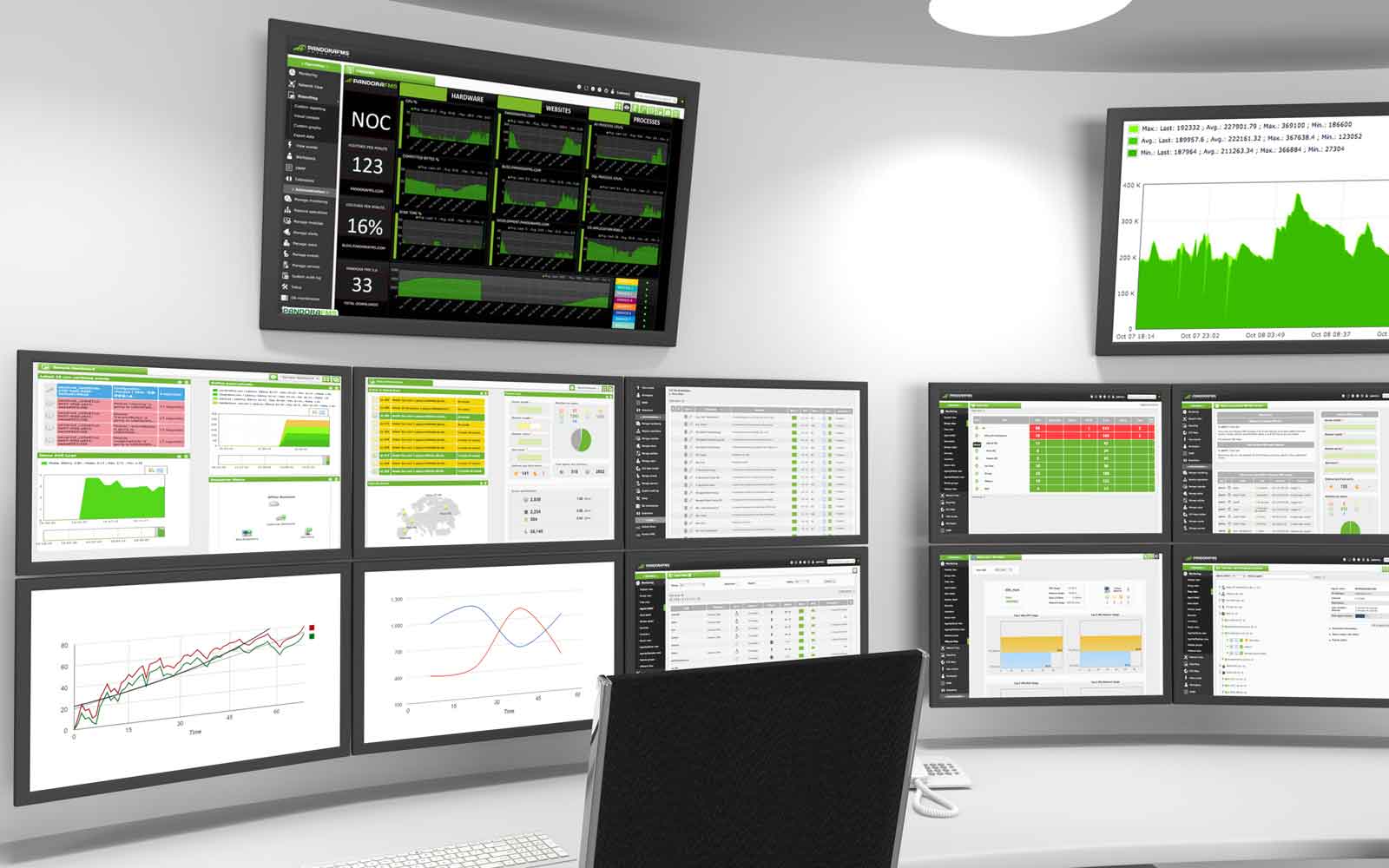
Selcomm provides a robust Network Management Module to look after the key elements of the various networks and interfaces required to deliver a comprehensive and integrated solution.
Increased competition is forcing networks into shorter product release cycles. Increased product offerings cause increased administrative complexity. To succeed, Service Providers must be able to respond to these demands rapidly and safely. Selcomm provides a complete solution.
The Selcomm Network Management Module maintains a common interface for all Selcomm modules to external carrier systems. The Carrier Integration module standardises all data and command feeds so there is consistency within Selcomm across the system processes for each carrier or wholesaler system. This allows an existing user to select a new service quickly and easily, because the basic functionality within Selcomm remains the same.
No matter what type of carrier mediation is available to the Service Provider, all data and command feeds remain constant within Selcomm while meeting the business specification demanded by the carrier.
Selcomm achieves redundant, highly scalable performance by implementing a loosely coupled component-based application overlaying an advanced messaging backbone. Selcomm Network Integration provides a comprehensive suite of interfaces to manage services from myriad sources, fully integrated across the Selcomm suite.
Network module key features
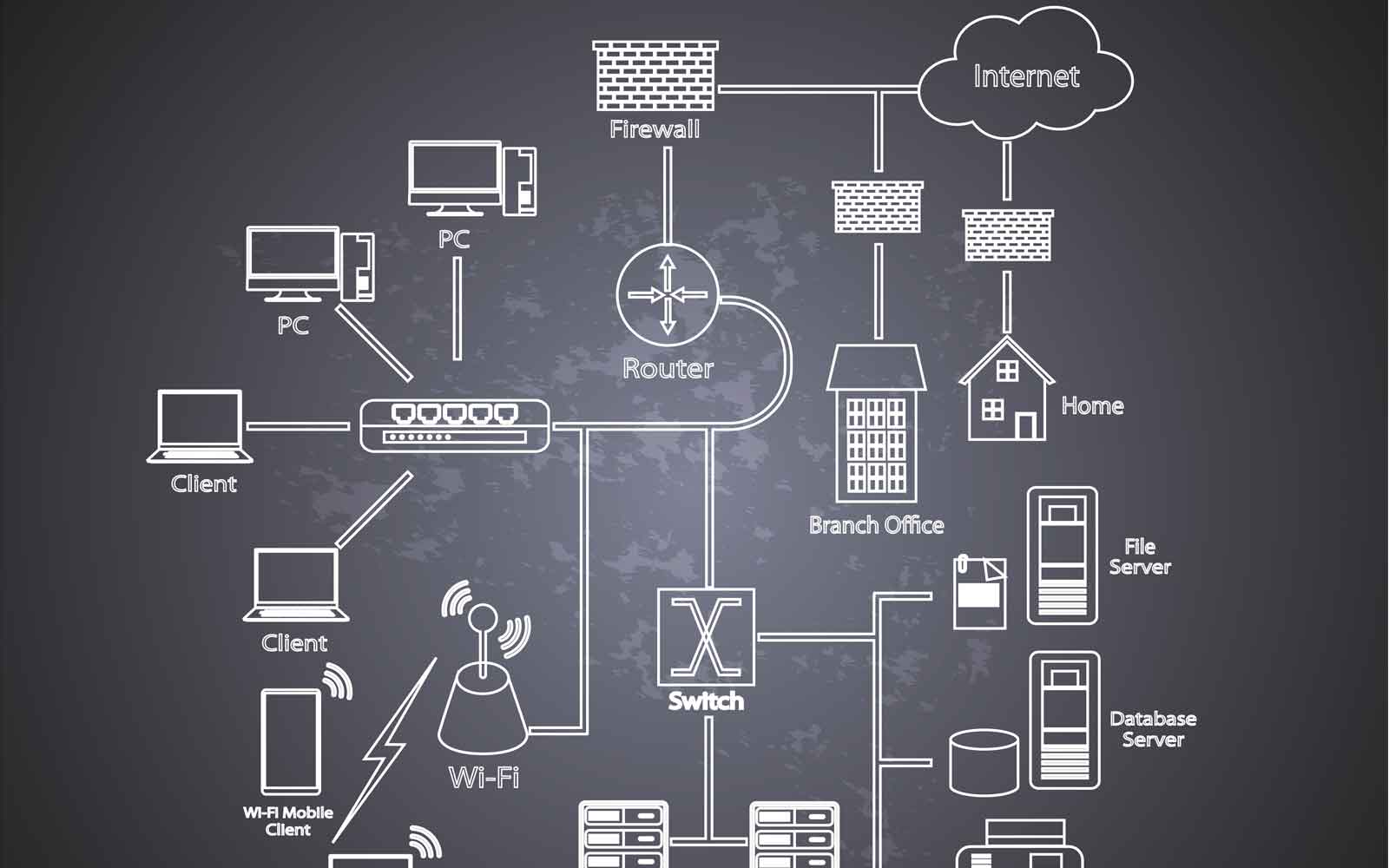
All network related commands remain constant within the Selcomm applications while meeting the business specification demanded by the Carrier, Network, Wholesaler or Switch.
Management of all lifecycle service requests on the network is underpinned by the Selcomm event management system. Any event can be submitted for immediate action or scheduled for future processing.
Business functions managed and automated by Network Integration include
- Accept churn notification
- Accept service change notification
- Submit new service
- Activate service
- Change service network ID
- Change service package
- Change service password
- Disconnect service
- Perform service action
- Process service event
- Process network system request
- Restrict service availability
- Synchronise subscriber details