Selcomm Cloud (SaaS)
We host and manage Selcomm, removing the need to purchase and operate dedicated platform infrastructure. The cloud service provides the clearest path to launch, managed operations and ongoing upgrades while we configure the solution to your requirements and work with your team on integration.
This is the primary delivery model for new implementations and established providers that prefer a managed SaaS operating model. It can include the application, database, web and communications services needed to run Selcomm.

Flexible deployment and operating options
Where the managed cloud model does not meet a corporate or jurisdictional requirement, Selcomm can also be deployed on-premise, in a private cloud or across a combination of environments. Deployment location and operational responsibilities can be considered separately so the technical and support models match the requirement.
General overview

The Selcomm Suite is browser-based and supports flexible implementation and licensing arrangements. Users can access the system through a compatible browser without installing specialist desktop software.
Hybrid cloud

A hybrid cloud arrangement can support organisations operating across multiple geographies or under particular data-location requirements. Core data and selected services can remain in a designated environment while authorised users and other components are served from elsewhere.
Private cloud
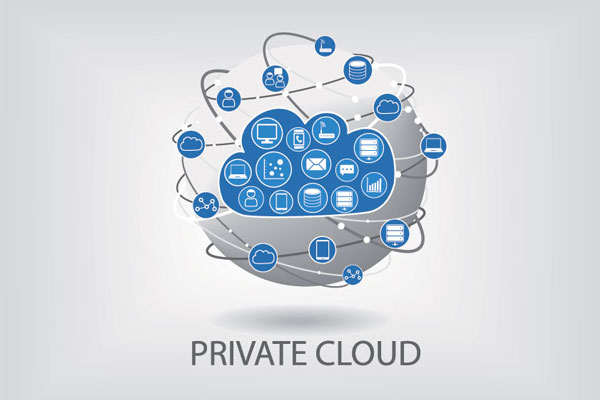
A private cloud provides dedicated infrastructure without requiring you to host the solution yourself. The environment can be located to meet agreed operational, security and data-sovereignty requirements, with Selcomm delivered as a managed service for your organisation alone.
Licensed on-premise
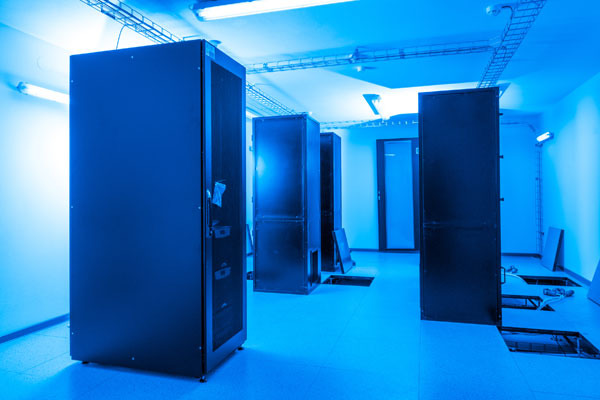
A licensed on-premise solution is installed in your data centre when policy, data control or an international operating model requires it. You may manage the environment with our support, or agree a broader managed-service arrangement. Licensing, support responsibilities and change processes can be aligned with the operating model.
Fully managed

A managed arrangement can cover the level of support and operational management you require. Once responsibilities are agreed, we provide the corresponding service—from specialist application support to a more comprehensive managed operation, including for systems deployed on your premises.
In-house

In-house arrangements allow your team to provide some or all support and management services, regardless of where the platform is deployed. For example, your service desk may provide first-line support while our specialists handle application-level issues, fixes and upgrades.
Hybrid solutions

Deployment, management and support options can be combined. This allows the operating model to reflect your internal capability, governance, geography and service requirements rather than forcing every component into one pattern.
Commercial models
Deployment and operations are only part of the decision. Selcomm’s commercial structure can also be adapted to the scope of the implementation, the services provided and an agreed measure of business activity.
Implementation charges

Implementation charges vary with the requirements, integrations and configuration involved. Selcomm is highly configurable, and the implementation approach is built around a focused team working with you to define, configure, integrate and tune the solution.
Standard licensing

A traditional licensing model combines an initial licence with ongoing support. The licence can be related to a measurable aspect of the organisation or service, such as customers, accounts, connections or another agreed metric.
Support charges

Support can be structured around the responsibilities your team wants to retain:
- Desk-side or on-site support for users and local operations.
- Remote support delivered by our team.
- Level 1 support for initial diagnosis and common user issues.
- Level 2 support for deeper investigation across application and infrastructure boundaries.
- Level 3 support for specialist application configuration, fixes and upgrades.
The allocation of these responsibilities and the associated service levels are agreed as part of the support model.
Operational cost models

An operational model can bundle licensing, infrastructure and services into recurring charges rather than requiring a larger upfront investment. The fee structure and any minimum commitments would be agreed for the particular deployment and service scope.
Usage-based charges

Usage-based pricing links charges to agreed, measurable units of business activity. Depending on the service, these might include customers, accounts, connections, devices, bandwidth, transactions or billed revenue.
Hybrid commercial models

Elements of licence, operational and usage-based models can be combined. A hybrid commercial structure can balance predictable commitments with charges that vary alongside the business.
Equipment financing

Where appropriate, equipment and related operational costs can be considered alongside software and service charges. For example, an IoT or smart-meter service may combine communications modules, network services, devices, implementation, support and maintenance into a recurring commercial arrangement.
The suitability and terms of any financing arrangement depend on the equipment, parties and project requirements and would be discussed as part of the overall solution.